

Key Takeaways
- Run the numbers before buying: Use current, property-specific rent comps and realistic vacancy, expenses, and financing costs to calculate your true cap rate and cash-on-cash return.
- Do thorough due diligence: Evaluate major systems, rent-ready costs, HOA restrictions, flood risk, school zoning, and other factors that could affect the property’s long-term performance.
- Plan for the realities of Raleigh’s rental market: Softer conditions and longer vacancies make accurate underwriting and professional management especially important to protecting your investment returns.
Buying investment property in Raleigh isn’t the same game it was three years ago. The Raleigh-Cary metro has grown to roughly 1.5 million people, and demand from tech, healthcare, state government and university employment keeps pulling renters into Wake County.
But it’s currently a renter’s market in a lot of submarkets, with heavier concessions and longer time-on-market than investors saw in recent years. That means the buying decision matters more than it used to. Get the numbers wrong before you close, and no amount of good management afterward fixes it.
At RPM Wake County, we manage rental homes across Wake County, from North Hills to Apex, and we get calls every week from people who bought first and asked questions second. This guide is for the buyer who wants to ask the questions first.
Get in Touch with Our Experts!
Start With the Numbers: Cap Rate and Cash-on-Cash Return
Before you tour a single house, run the math. Net operating income is your annual rental income minus operating expenses, not including your mortgage payment.

Cap rate is NOI divided by purchase price. Cash-on-cash return divides your annual pre-tax cash flow by the actual cash you put in, which matters more if you’re financing.
Raleigh numbers need a current lens. If you underwrite a purchase using last year’s rent comps, you’ll overstate your NOI and understate your real cap rate. Pull current comps for the specific submarket, not a metro-wide average.
Also build vacancy into the model realistically. There’s a reason you should underwrite a few weeks of vacancy and a possible move-in incentive rather than assuming a tenant signs the day you close.
Research Rental Demand Before You Research the House
A great house in a soft rental submarket is still a soft rental submarket. Start with where the jobs are. WakeMed Health, UNC Health, Fidelity Investments, IBM, Cisco Systems and SAS Institute (headquartered in Cary) anchor a huge share of Triangle employment, and NC State, Research Triangle Park and state government add more.
Apple’s planned RTP campus and a new children’s hospital in Apex are both pipeline projects that will add renters over the next several years, which is worth factoring into a hold-period plan.
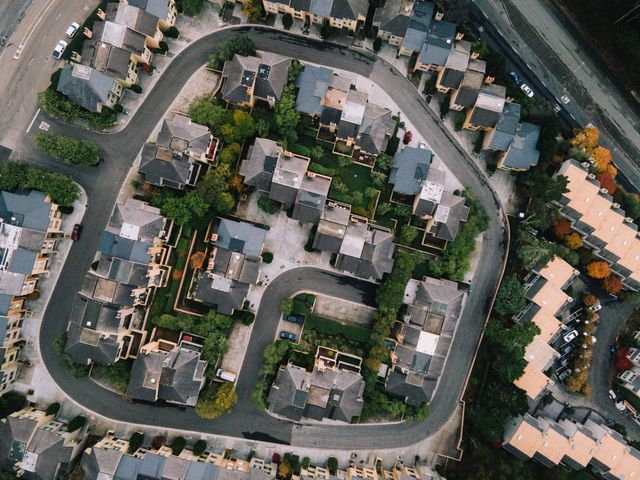
Inside Raleigh proper, North Hills, Brier Creek and Downtown Raleigh each pull a different renter. Outside the city, Cary, Apex, Morrisville, Garner, Wake Forest, Fuquay-Varina and Holly Springs each have their own price points and renter profiles, and rent-to-price ratios vary block to block, not just town to town.
Financing an Investment Property in Wake County
Financing an investment property isn’t the same process as financing a primary residence, and the differences affect your return math. Conventional investment property loans typically require 15% to 25% down and carry a higher rate than an owner-occupied mortgage.
DSCR loan programs qualify you based on the property’s rental income rather than your personal income, which some buy-and-hold investors prefer once they own a few doors. Cash purchases skip financing costs entirely but tie up capital that could otherwise buy a second property.
Whichever route you take, get pre-approved before you make an offer, and talk to a lender who actually understands investment property underwriting, not just owner-occupied loans. A CPA can also help you understand how depreciation and expense treatment affect your after-tax return, which is a separate conversation from the property itself.
Inspect Like an Investor, Not a Buyer Falling in Love
A homebuyer looks at a kitchen and imagines dinner parties. An investor looks at the same kitchen and asks what it costs to make it rent-ready if a resident trashes it in three years. Pay close attention to roof age, HVAC age and condition, water heater age, and any sign of deferred maintenance painted over for the listing photos.
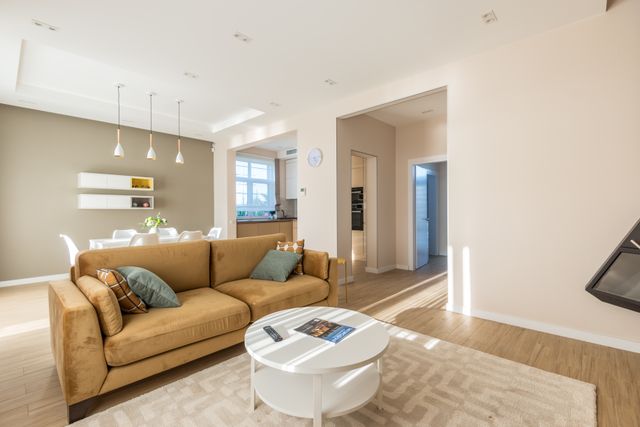
Also price out what it will take to get the property to a rent-ready standard on day one. Fresh paint, working smoke detectors, functioning locks, and clean flooring aren’t optional for a rental in Wake County, and skipping them costs you in vacancy and resident retention later.
Check Out Our Property Management Services!
Red Flags to Watch For When Touring Raleigh Listings
A few patterns show up again and again with properties that underperform after purchase:
- HOA rental restrictions. Some Wake County HOAs cap the number of rentals allowed in a community or require board approval. Confirm this before you write an offer, not after.
- Flood zone status. Flood insurance in certain Raleigh-area zones adds a real, recurring cost that changes your NOI.
- Comps that don’t hold up. If the listing agent’s rent estimate is well above what’s actually leasing nearby, get a second opinion before you build your offer around it.
- Cosmetic-only renovation. New paint and staging over an aging roof or HVAC system is common. It hides real capital expenses you’ll face within a few years of ownership.
- School zoning changes. Wake County Public Schools redraws attendance lines periodically, and a rezoning can shift renter demand for a specific address.
Your Raleigh Rental Property Due Diligence Checklist
Want help finding the right Raleigh property for you to invest in?
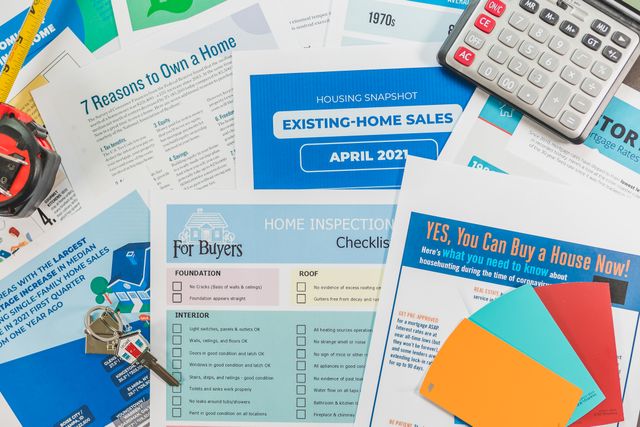
Use this rental property checklist before you make an offer:
- Pull current rent comps for the specific submarket, not the metro average.
- Calculate cap rate and cash-on-cash return using realistic vacancy assumptions.
- Confirm HOA rules on rentals, if applicable.
- Check flood zone status and insurance cost.
- Get an inspection focused on major systems, not cosmetics.
- Estimate rent-ready costs before closing.
- Confirm school zoning and any pending redistricting.
- Get pre-approved with a lender experienced in investment property loans.
- Review NC security deposit and late fee rules so you understand your compliance obligations.
- Request a free rental analysis so you know your realistic rent and NOI before you sign anything.
Where Property Management Fits Into the Buying Decision
The biggest due diligence mistake we see is buyers modeling their return around self-management without pricing in what that actually costs in time, vacancy risk and turnover. A property that pencils out at an 8% cap rate on paper can underperform fast if it sits vacant an extra month or gets placed with a resident who stops paying.
We’ve served Wake County since 2013, and we’re part of Real Property Management, a franchise network with more than 380 locations and 35-plus years of experience managing rental assets across North America. That combination gives us local market expertise on Raleigh rent pricing along with the vendor relationships and systems of a larger network.

Our fee schedule is published and public; our management plans are tiered so you choose the service level you need rather than one bundled package; and we back tenant placement with a six-month guarantee: if a resident we place vacates within six months, we place a new qualified resident at no extra cost.
Before you close, or before you sign a management agreement on a property you already own, ask for a free rental analysis. It’s a straightforward way to see actual comps and projected NOI for the specific address, not a metro-wide guess.
If you’re already building a small portfolio, our Wealth Optimizer tool models ROI and portfolio performance across multiple properties so you can compare a Raleigh purchase against a property in Cary or Apex before you commit capital.
Bottom Line
A good purchase price doesn’t guarantee a good return. The due diligence you do before closing, on comps, financing, condition and compliance, sets the return you’ll actually collect over the next five or ten years.
If you want a second set of eyes on a Raleigh property you’re considering, or you already own a rental and want to know what it should actually rent for, request your free rental analysis or call RPM Wake County at 919-747-3488. We’ll give you real numbers, not a sales pitch.
Frequently Asked Questions About Buying Investment Property in Raleigh
What Cap Rate is Good for a Raleigh Rental Property?
It depends on the submarket and your goals, but investors typically compare a target property’s cap rate against similar Wake County properties rather than a single national benchmark. A free rental analysis gives you a realistic NOI figure for a specific address so you can judge the deal on real numbers.
How Much Down Payment Do I Need for an Investment Property in Raleigh?
Conventional investment property loans generally require 15% to 25% down, higher than an owner-occupied mortgage. DSCR loan programs, which qualify based on the property’s rental income, have their own down payment requirements and are worth discussing with a lender who specializes in investment financing.
Should I Buy in Raleigh Proper or in Cary, Apex or Wake Forest?
Each submarket has a different renter profile and price point. North Hills and Brier Creek draw professionals and RTP relocators, while Cary, Apex, Morrisville and the outer towns often offer different rent-to-price ratios. Compare current comps by neighborhood rather than assuming one part of Wake County outperforms another.
Do I Need a Property Manager Before I Even Buy the Property?
Not required, but it helps. A free rental analysis before closing gives you real rent numbers and rent-ready cost estimates, which sharpens your offer and your return projections before you’re locked into a purchase price.
What Happens if I Inherit or Relocate Away from a Raleigh Rental I Already Own?
This is common. Out-of-state and relocating owners are a large share of who we work with, and we can also help if you’re already under contract with another manager and want to transition mid-lease.
This content is provided for general informational and educational purposes only and does not constitute financial, legal, tax, or investment advice. Readers should consult with licensed professionals regarding their specific circumstances.
We are pledged to the letter and spirit of U.S. policy for the achievement of equal housing opportunity throughout the Nation. See Equal Housing Opportunity Statement for more information.
